School History Documentary Screening Recap – The Film Is Now Online

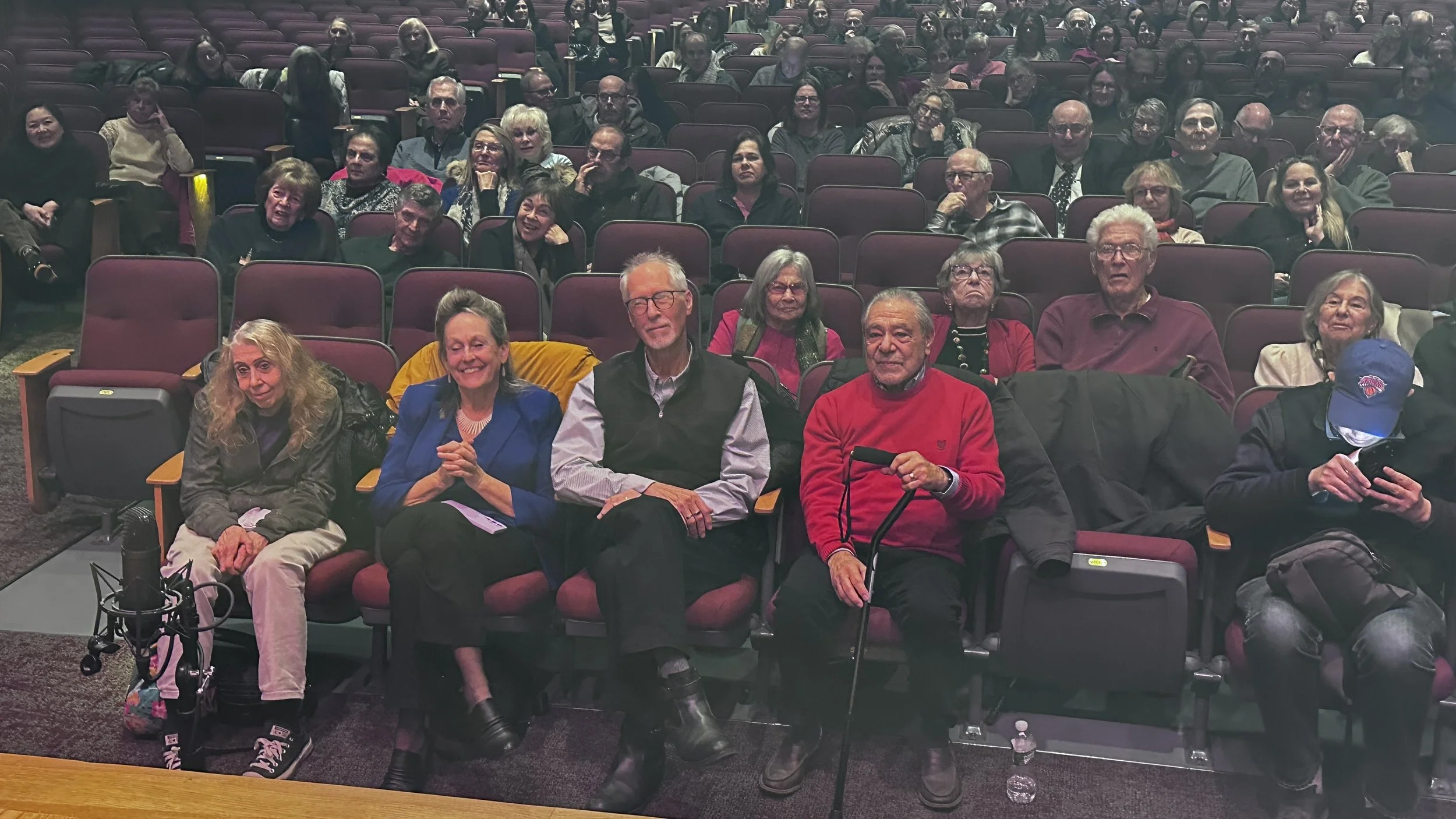
The Scarsdale community really knows how to “show up.” Around 200 alumni, neighbors and friends came together for a rare opportunity to celebrate our public school district on Wednesday night at the high school auditorium. As conveyed in our new film From the First Schoolhouse: A Scarsdale Story, this community-minded spirit is what has helped the Scarsdale Schools thrive. 

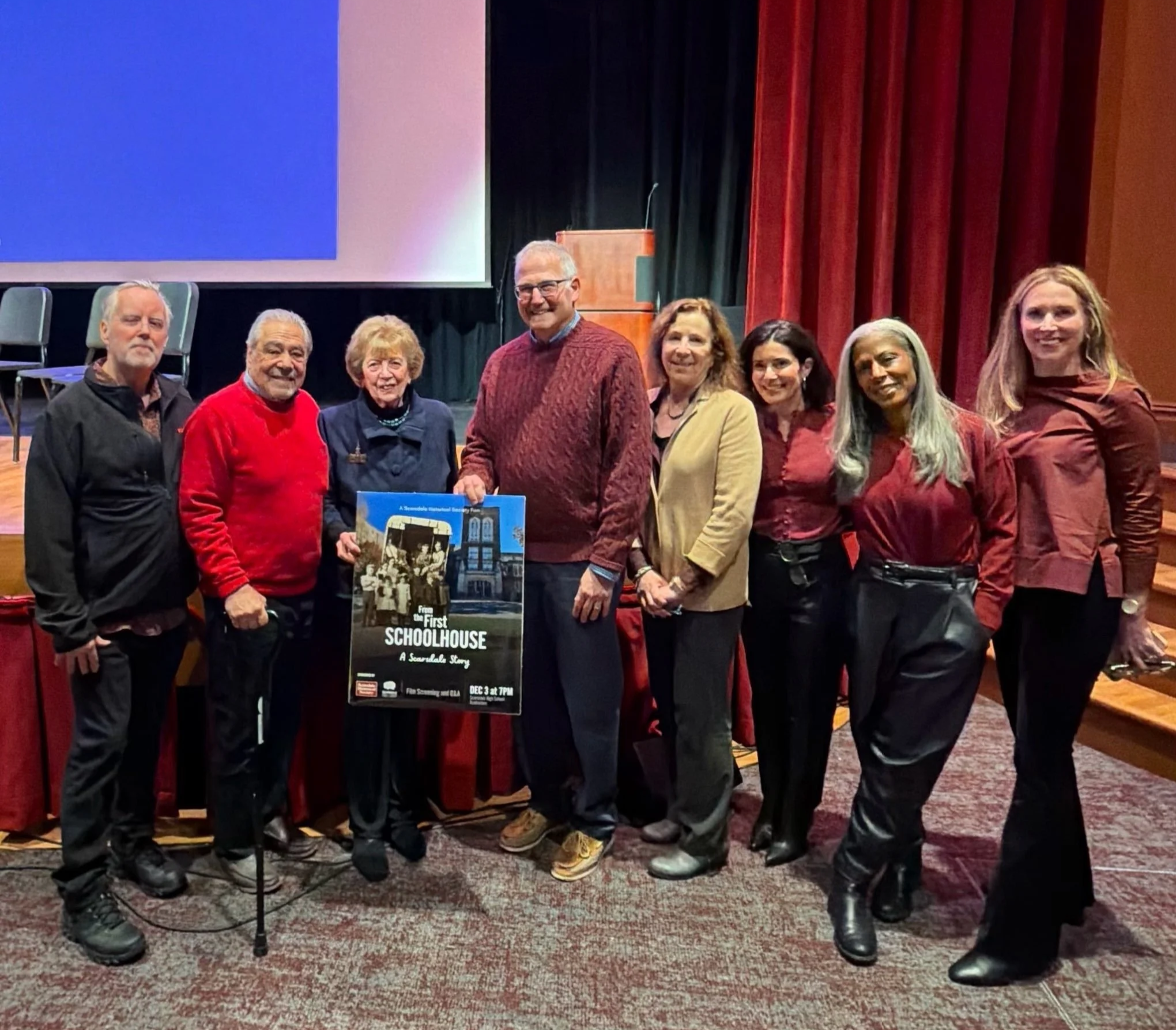
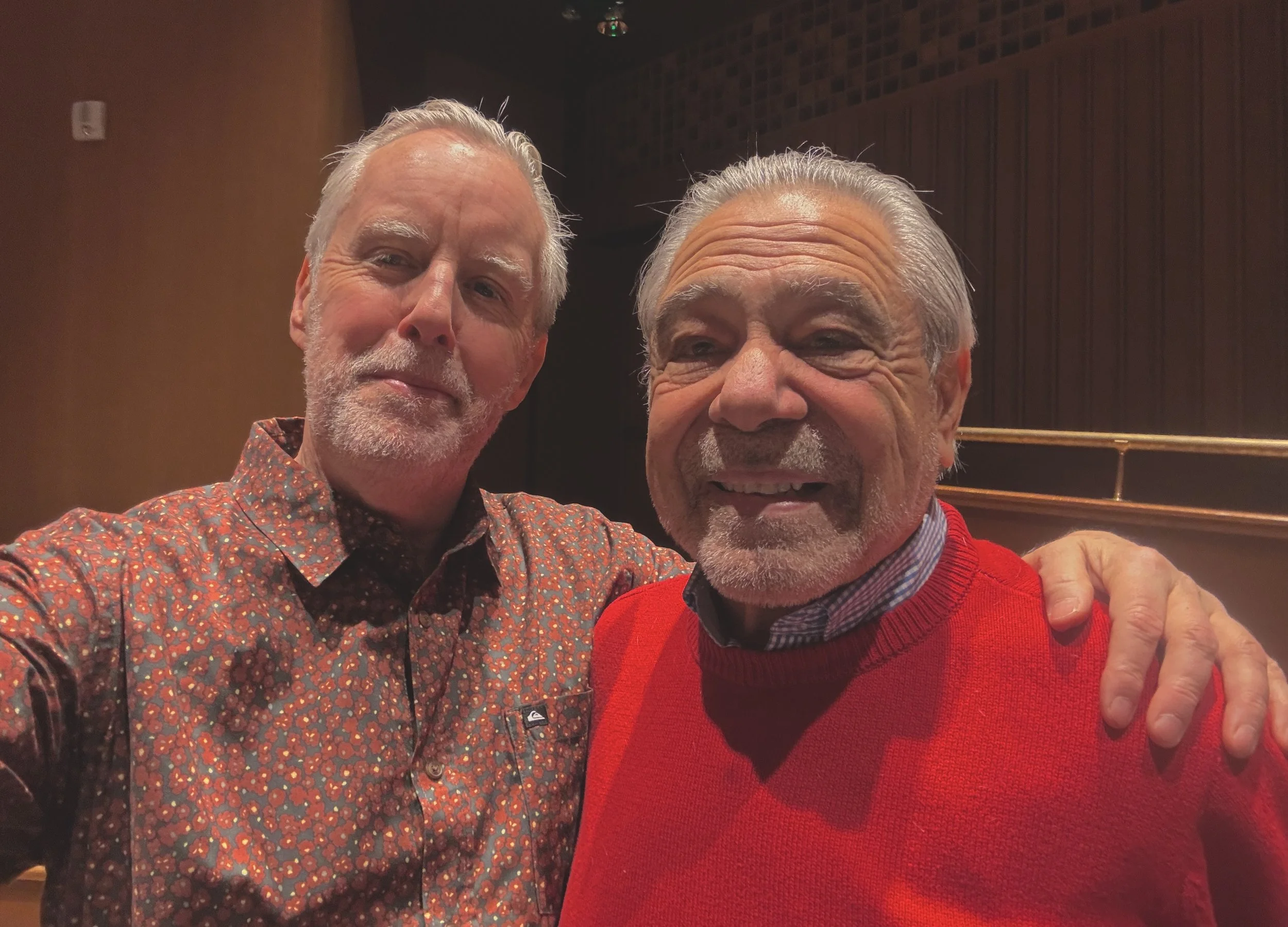
Left to right: William Klayer ‘73, Tony Arenella, Ruth Friendly, Scarsdale Historical Society President Randy Guggenheimer, filmmaker Lesley Topping and trustees Lori Rothman, Deidre Michael, Leslie Chang.

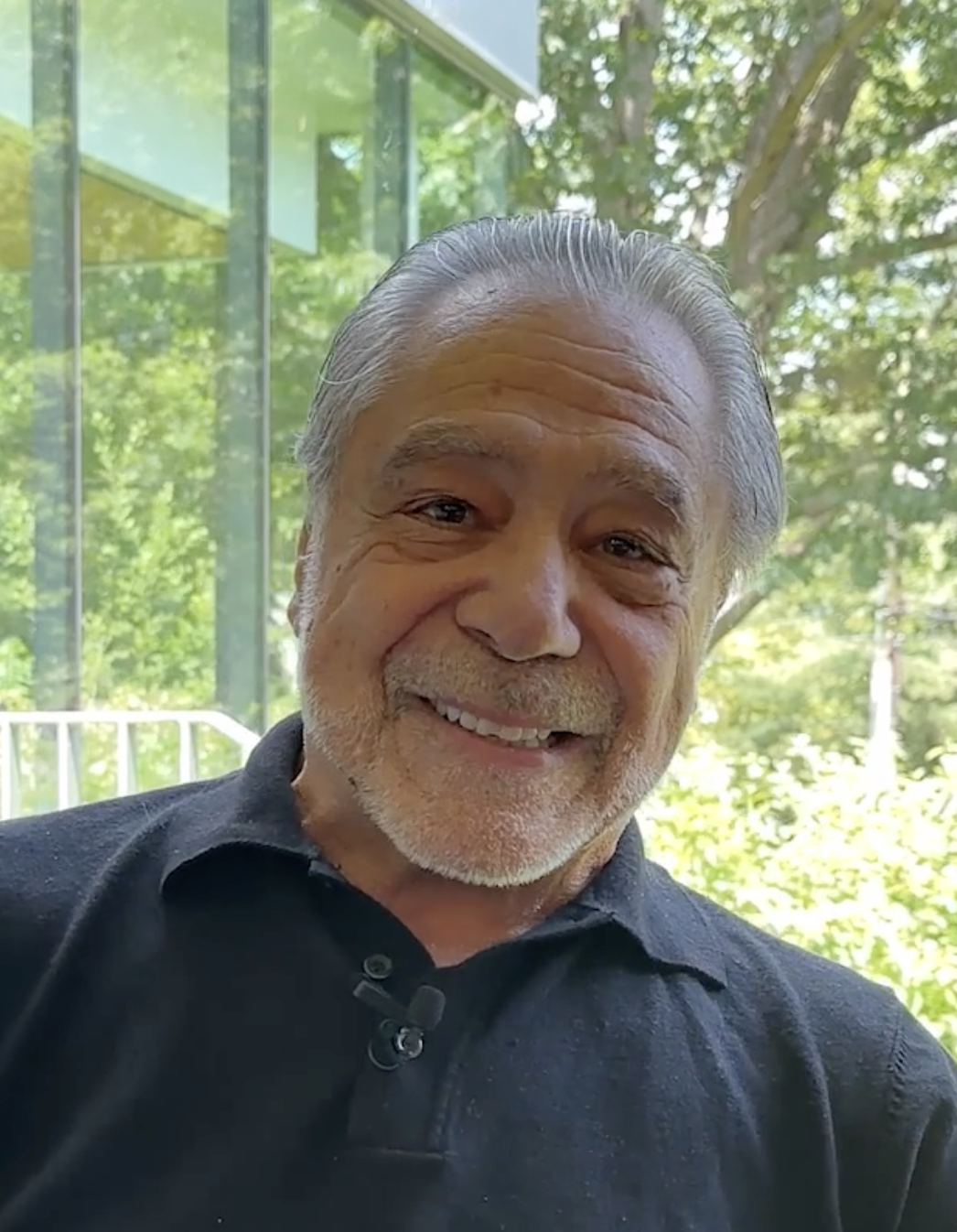
From a beloved centenarian educator, to a founder of the Scarsdale Alternative School, to an original Alternative School alum, we had true Scarsdale Schools legends in the high school auditorium. They are featured participants in the documentary, and here’s more background on them:

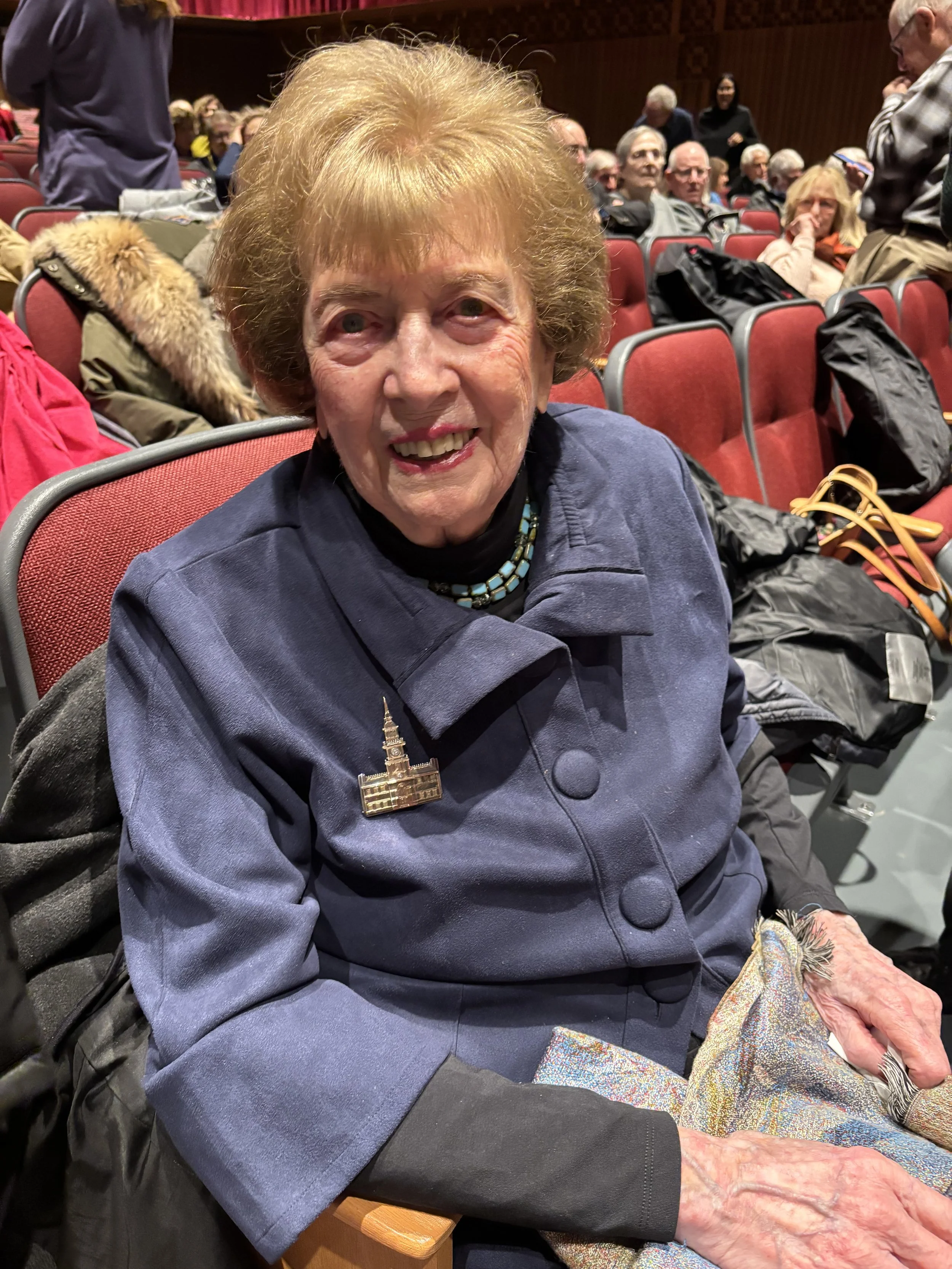
Ruth Friendly

Ruth taught at Greenacres, Heathcote, and Edgewood from the 1960s through the early 1980s. After teaching, she joined her husband Fred, the former president of CBS News and the Edward R. Murrow Professor Emeritus at Columbia University, to produce programming for the Media and Society Seminars, later known as the Fred Friendly Seminars. The programs aired nationally on PBS and explored major issues of our time. In the 2000s Ruth served for eight years on the New York State Commission of Nomination for the Court of Appeals.

Tony Arenella and William Klayer

Tony Arenella was one of the founders of the Scarsdale Alternative School (A-School), which was planned in 1970. Tony taught English, and then became the director of the A-School in 1981 until he retired in 2003. Beginning with only sixty-two students, three full-time teachers, and several part-time teachers, the early team developed the groundbreaking philosophies and structures that still shape the A-School today.

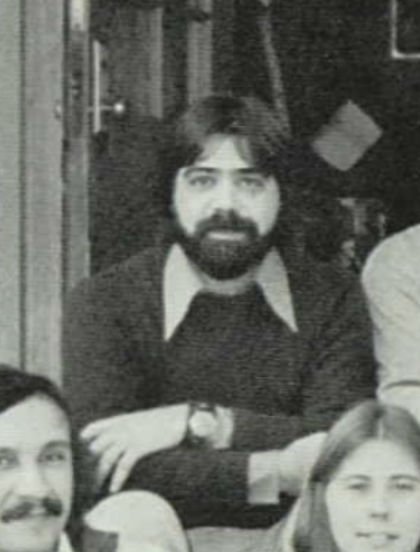
William Klayer was one of the first students to graduate from the A-School in 1973, and went on to build a distinguished career in television and film as a director and photographer. His extensive credits include 30 Rock, Suits, Law & Order, and the award-winning short film Under a Stone.

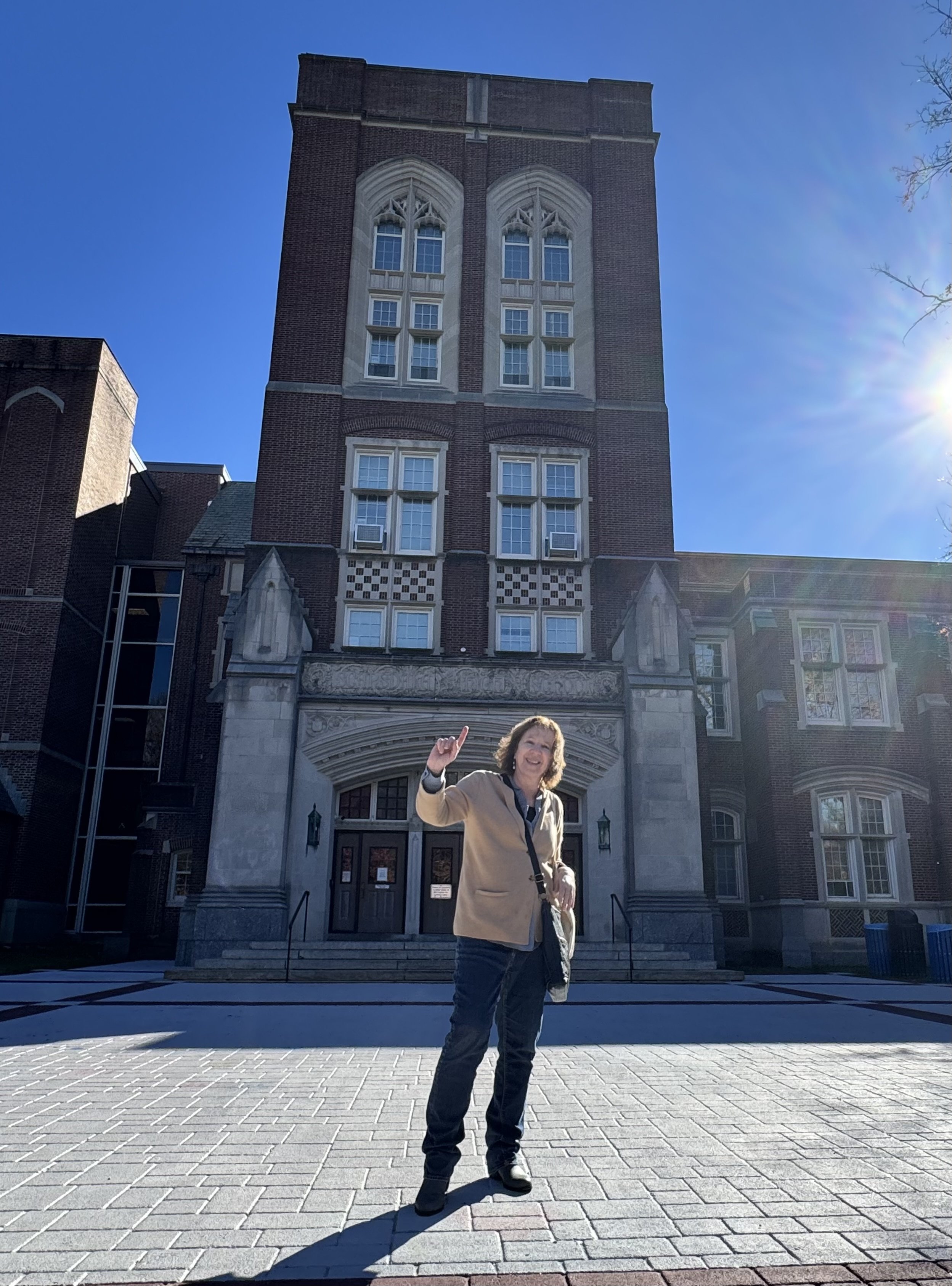
We are so grateful to the filmmaker Lesley Topping for creating this film. Through her documentaries, she skillfully preserves Scarsdale’s most important stories—and they’re all available here.

Lesley Topping

Lesley, a Scarsdale Schools alum, is the editor and director of the film. Her credits also include many short videos, feature films and television documentaries for CBS, A&E and the Cousteau Society.

Thank you to Scarsdale Public Library for the partnership and for co-sponsoring the event. Don’t miss their new exhibit on the Scarsdale Public Schools, created by the library’s Local History Librarian Dan Glauber. It’s on display in the Local History Center of the library, or online here.

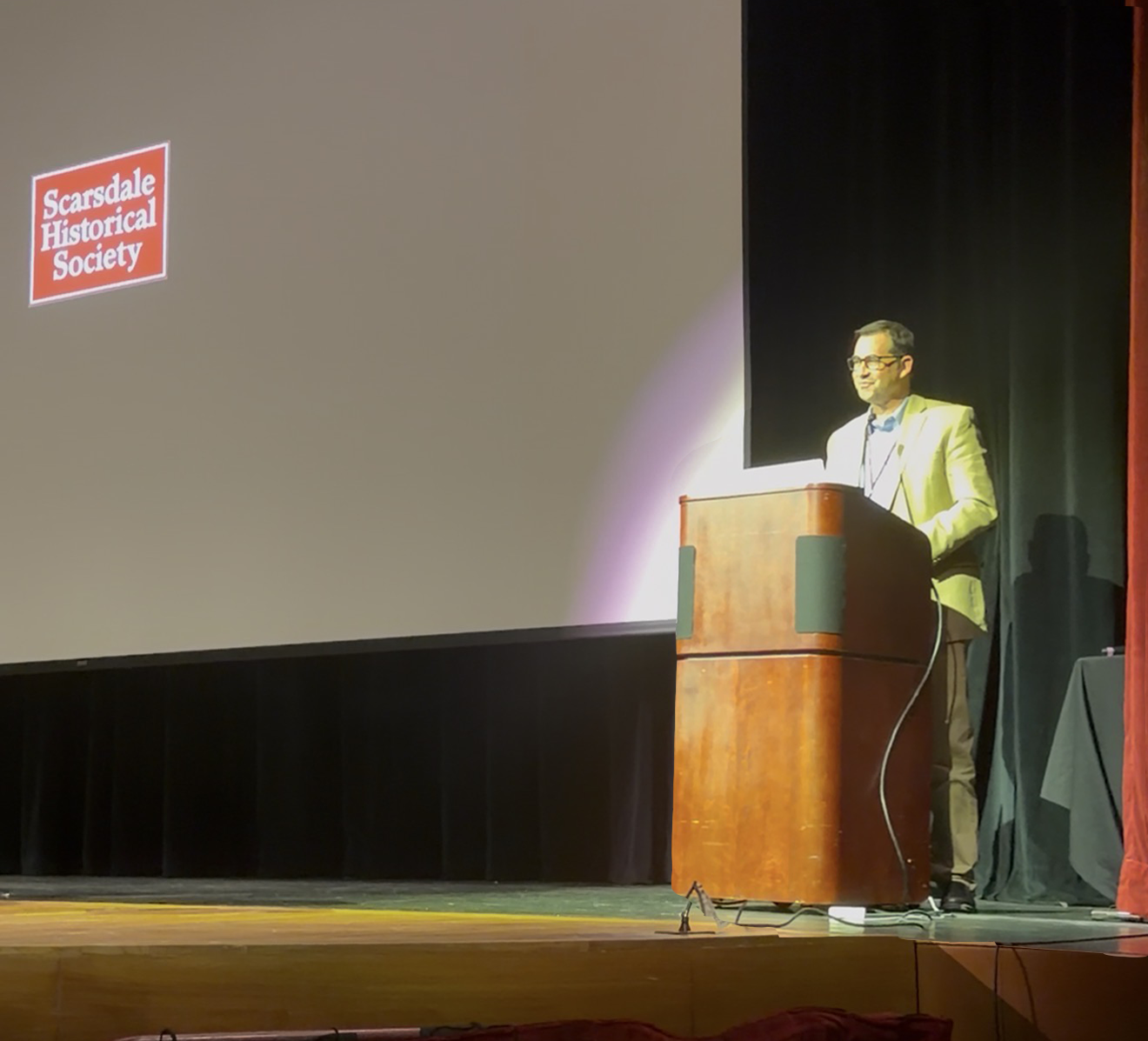
We also thank Scarsdale Public Schools Superintendent Drew Patrick for his support throughout the production of this film. His opening remarks added a moment of extra distinction to the event.

Scarsdale Public Schools Superintendent Drew Patrick introduced the film.

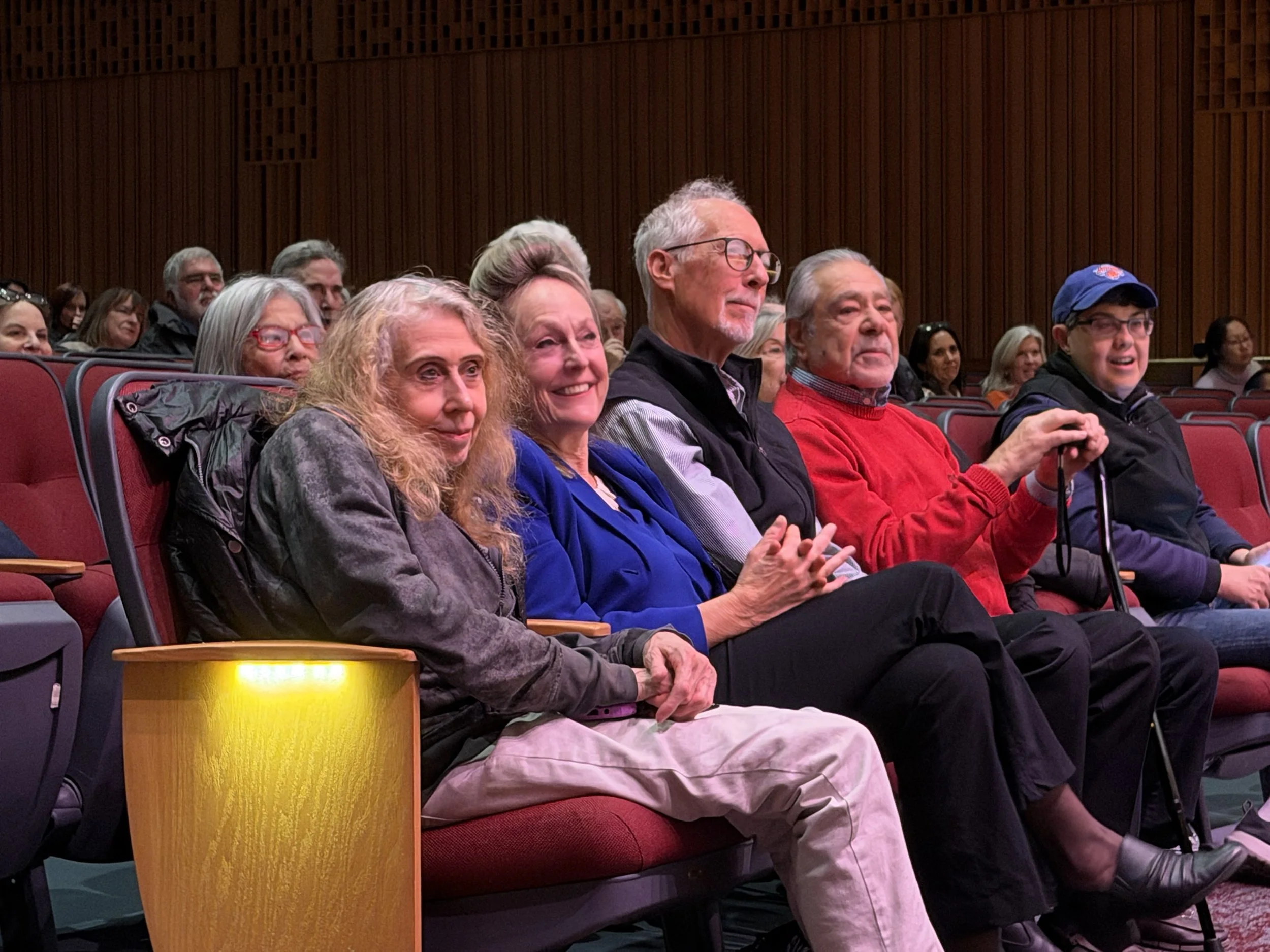
The audience was very engaged during the Q&A Session, especially all of the alumni that shared stories from their school days.

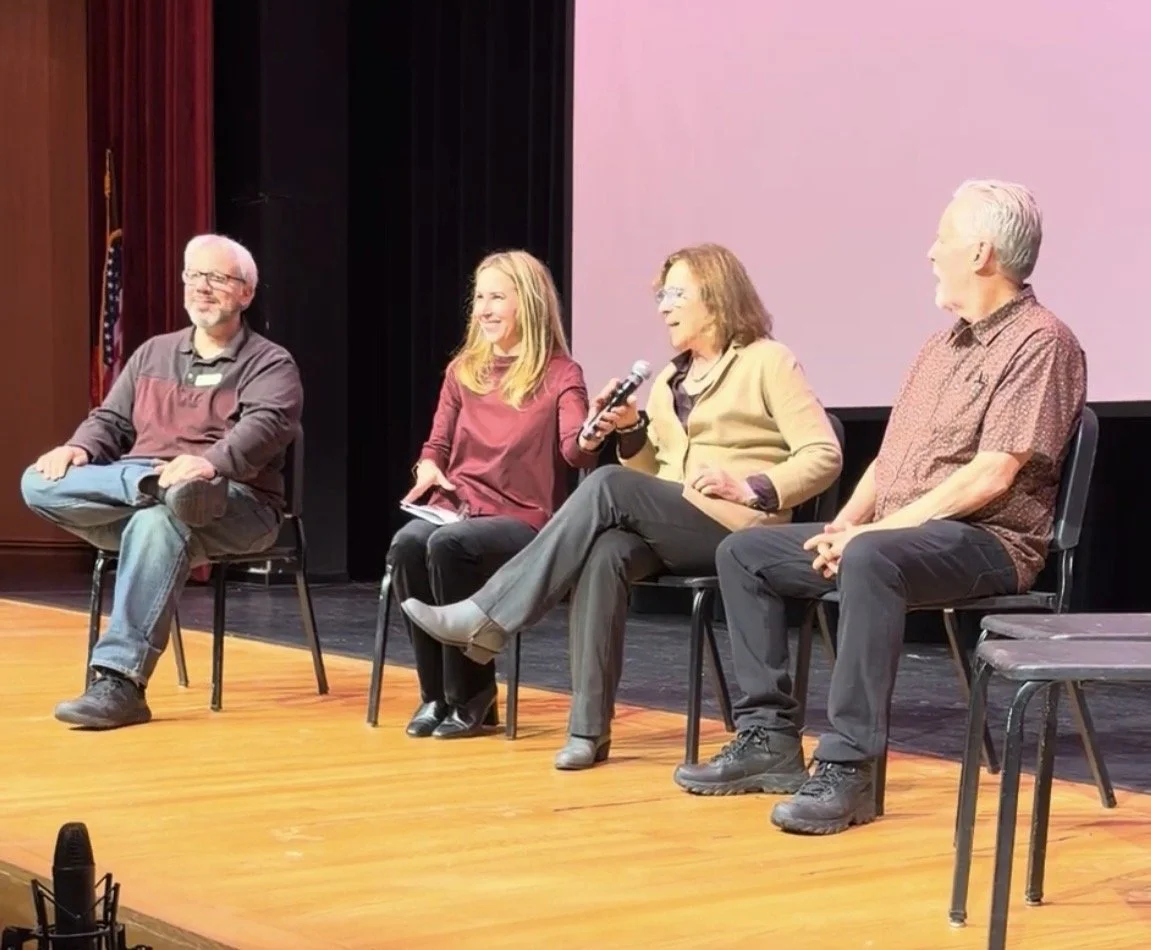
At the panel discussion, left to right: Dan, Leslie, Lesley, and William. Tony and Ruth answered questions from their seats in the audience. 

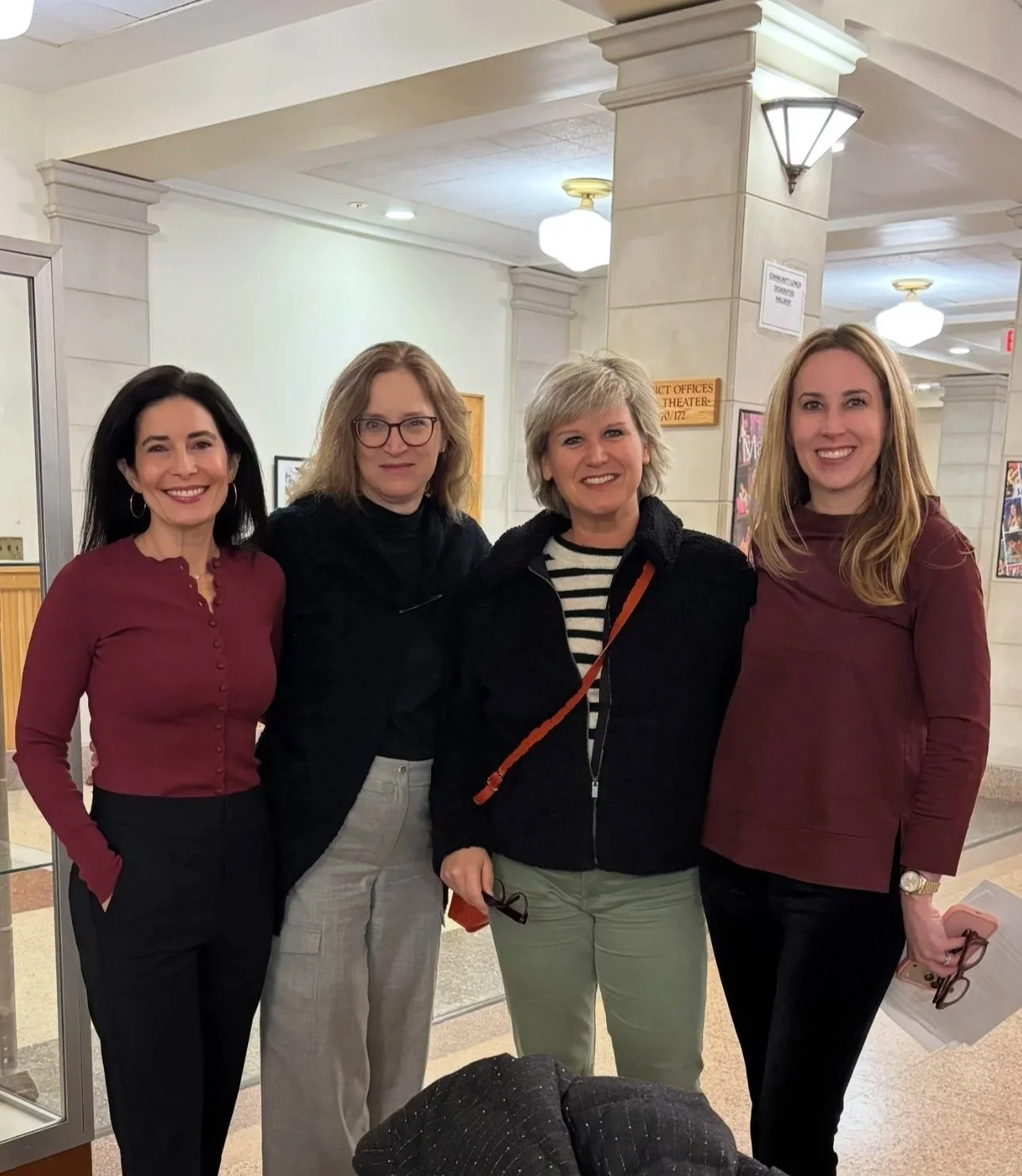
Scarsdale Historical Society trustees greeting attendees, from left to right: Lori, May Cowan, Lesley Shearer, and Leslie

The event drew a crowd of all ages, and alumni enjoyed seeing the newly renovated auditorium.

“From the First Schoolhouse: A Scarsdale Story”


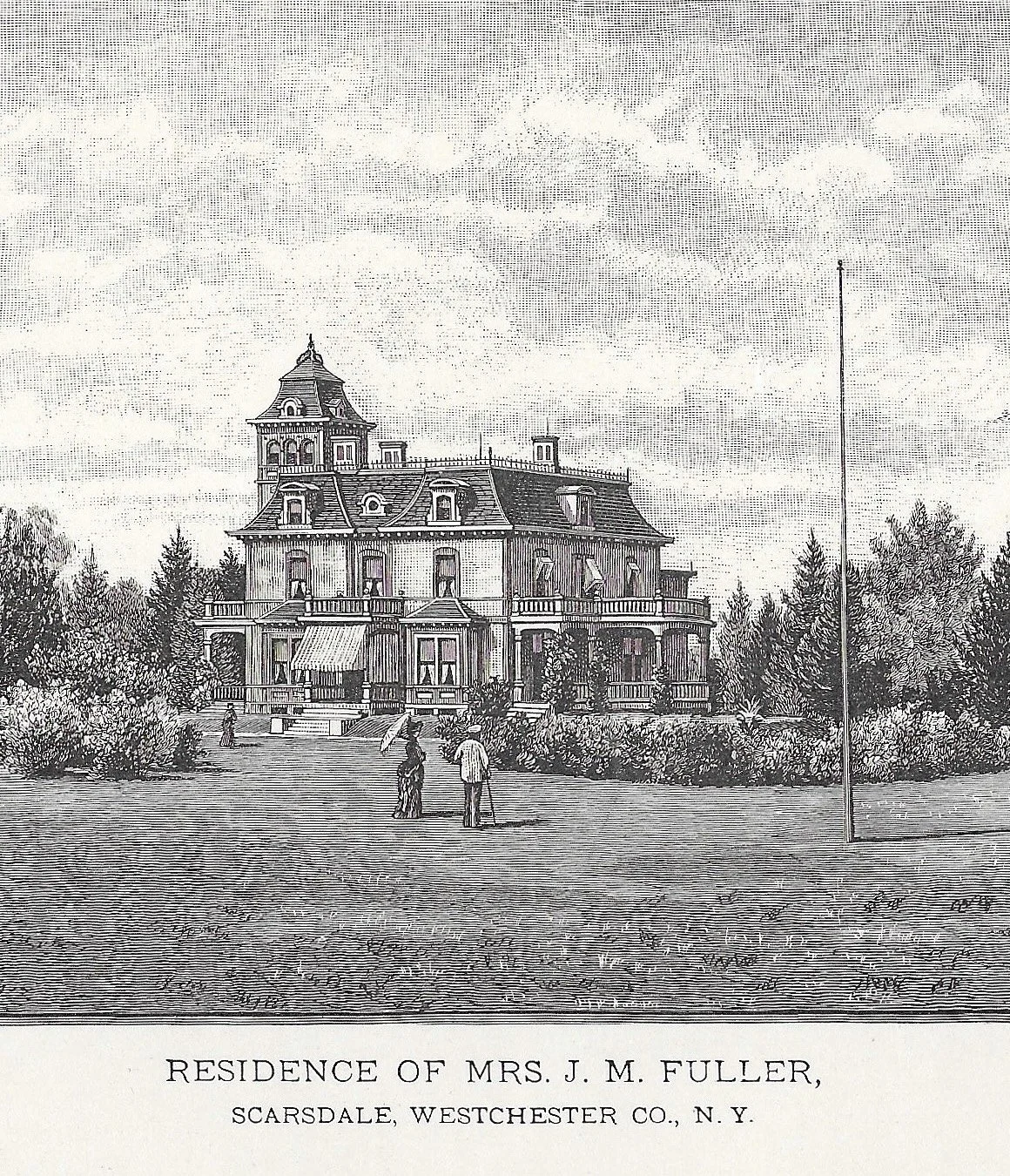
The Fuller Estate and Bradford Road

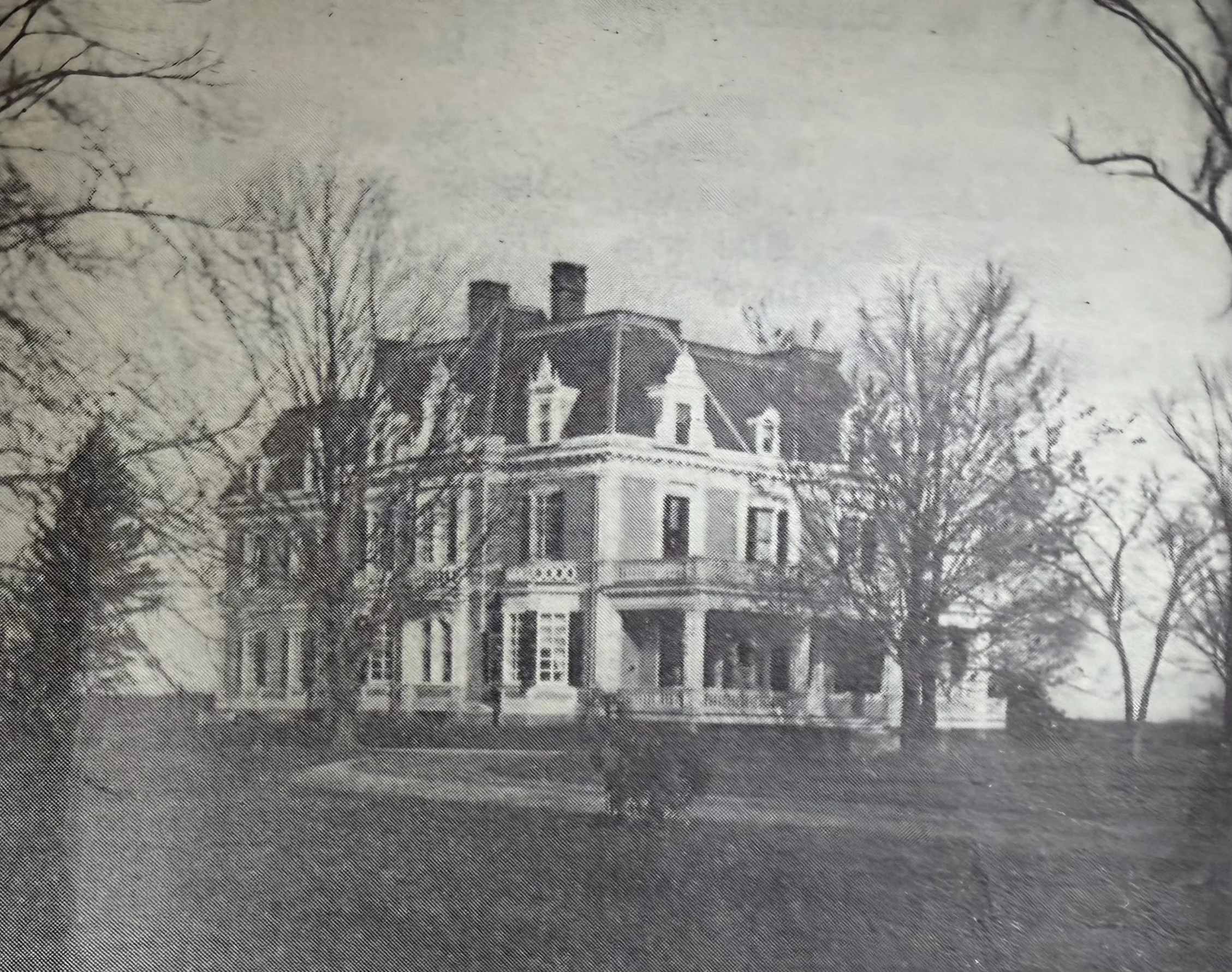
One of Quaker Ridge's grandest and oldest homes was destroyed by fire in 1925. 

Engraving, dated 1886 - the year after James M. Fuller passed away. Signed J.M. Brown

The house was on today’s Weaver Street toward Griffen Avenue. The fire was believed to be "of incendiary origin," since it started on a back porch with no explanation. On a night in 1925, there were 70 mph winds, and the fire hoses didn't have enough water pressure to get up the hill (they referred to it as "the ridge") to the house - until they eventually tapped a NYC water supply main. It was too late.

The home was originally built by James M. Fuller in the mid 1800s. He was an influential member of the NY Stock Exchange. In 1871, Grand Park Boulevard ended at the Mamaroneck border, so he paid for it to be extended into Scarsdale up to Griffen Avenue.

After her parents’ passing, Fuller’s eldest daughter and her husband, Bradford Rhodes, purchased the estate. Bradford Rhodes was a banker, editor, publisher, Scarsdale town officer, school trustee, and a member of the state legislature.  

Rhodes’ portrait in New York State’s Prominent and Progressive Men, published by the New York Tribune, 1900.

From the Scarsdale Inquirer: “Residence of Bradley Rhodes. On his estate “Quaker Ridge Farm.” Remodeled, Completed September 1903. “

He donated land for the Scarsdale School District No. 2 schoolhouse - and contributed to its construction (see 1910 map). Today it still stands at the Quaker Ridge Golf Club. Years later, the club was built in the former woods around his estate.  

The house fire occurred a year after Rhodes passed away in 1924. Bradford Road takes its name from Bradford Rhodes… one has to assume the Village intended the pun.

19th Century School Board Notebooks Discovered and Digitized

The Scarsdale Historical Society, in partnership with the Scarsdale Public Schools and Scarsdale Public Library, has re-discovered and digitized a collection of school board minute books dating as far back as the 1860s. The books are providing valuable material for the Historical Society’s upcoming documentary on the history of the Scarsdale schools, set to premiere in December. 

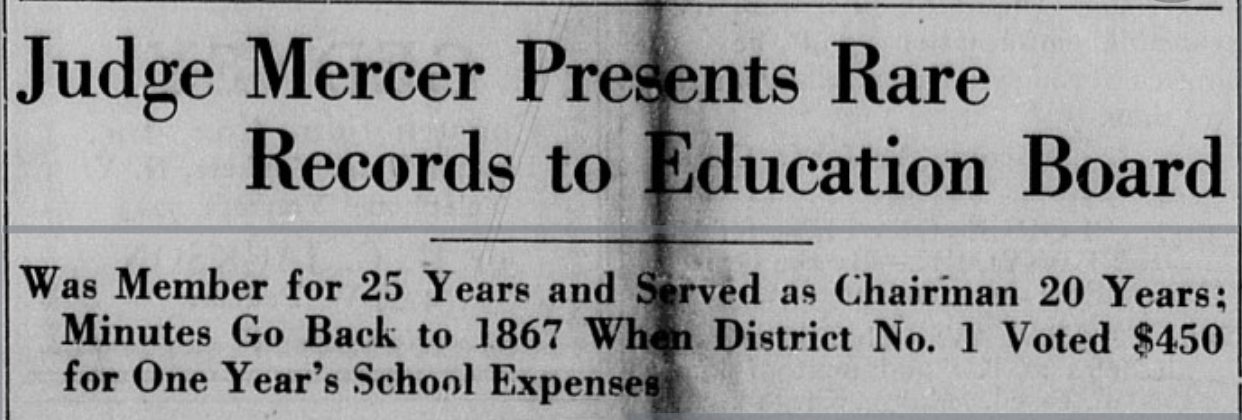
The existence of the notebooks was referenced in old articles and books from 50 years ago, but neither the Historical Society nor the Scarsdale Public Library knew of their current whereabouts. One of the earliest members of the school board, Judge William Mercer, originally donated them to the district in 1925. He was a member of the board for 25 years, and the chair for 20 of those years.

An article from 1925 referencing the long-unseen record books. Judge Mercer, one of the earliest school trustees, gifted them to the Board of Education 100 years ago.

On a hunt to find them, the Historical Society reached out to Honoré Adams, District Clerk and Executive Assistant to the Superintendent, who ultimately found them in district storage with the help of District’s Records Retention and Disposition Officer, Annabelle Allamby.

Honoré Adams, District Clerk, Executive Assistant to the Superintendent, and hero behind the rediscovery of the minute books.

There are 7 notebooks from the years 1868-1928, largely handwritten. They offer a rare glimpse into the district’s earliest days — a time of oil lamps, tight budgets, and even the occasional stray farm animal wandering onto the grounds. Together, the books trace the humble origins of a district that would grow into one of the nation’s most respected.

The earliest school board minute book, dating back to 1867.

Now fully digitized, transcribed, and searchable online, the minute books are accessible to the public through the library’s Digital Collection on the New York Heritage website. “We are privileged to host these historic files and make them accessible to the public,” stated Elizabeth Bermel, Director of Scarsdale Public Library. The digitization project was funded by a grant provided by the Historical Society, with all three organizations collaborating closely to preserve the fragile originals. 

"This project is exactly in keeping with our mission to preserve and share Scarsdale’s history," said Randy Guggenheimer, President of the Scarsdale Historical Society. "We are grateful to collaborate with the Scarsdale Public Schools and Scarsdale Library, continuing the village’s long tradition of community-minded spirit and collective effort."

“Our students can learn so much from this initiative,” said Drew Patrick, Superintendent of Scarsdale Public Schools. “It’s a real-life lesson on the power of primary sources, and how history is best understood through the records of those who lived it.”

To access to the digitized books, visit click here.

.

Scarsdale Schools Attacked in the McCarthy Era (1948-1962)

by Lesley Topping

Scarsdale Inquirer, June 23, 1950

Scarsdale Inquirer, June 23, 1950

Scarsdale is known for having some of the top public schools in the country, and from its earliest days the Village has made quality education a top priority. However maintaining the integrity of the schools was not always easy. In the late forties and fifties during the Cold War era of anti-Communist hysteria, the school board with the support of a majority of Scarsdalians, resisted relentless accusations from a small group of residents who insisted that Communists had infiltrated the Scarsdale schools. Scarsdale rigorously defended the loyalty of the school staff and opposed any censorship of books taught in the schools.
These were years when the country was in the grips of anti-Communist sentiments, and fear mongering of the “Red Menace” had reached maximum effect. The House Un-American Activities Committee (HUAC) was created in 1938 to root out any perceived Communist and Fascist influence in government agencies. Following World War II, after the split with Stalin’s Russia, the HUAC hearings led by Senator Joseph McCarthy between 1950 and 1954 would destroy many individuals’ lives and reputations.

From 1948 through the late fifties, a group of Scarsdale residents calling themselves the Committee of Ten, and later the Citizen Committee, campaigned for a full investigation into alleged Communist influence in the Scarsdale Schools, and advocated banning certain books used in schools.

One of the most determined and vocal leaders of the group was a Wall Street banker and father, Otto Dohrenwend. In 1948, Dohrenwend and his lawyer arranged a meeting with Principal Lester Nelson and Assistant School Superintendent Archibald Shaw to urge the removal of Howard Fast’s books and Anna Louise Strong’s biography of Paul Robeson. They regarded these authors as “Communist sympathizers and apologists.” Howard Fast was a novelist and screenwriter whose book about Thomas Paine, Citizen Tom Paine, was taught in the High School. He was later blacklisted in Hollywood and jailed for three months for contempt of Congress when he refused to name names at the House Un-American Activities Committee hearings.

The Committee’s accusations escalated over the next eight years with the constant publication of angry letters, protests, and tense meetings. Otto Dohrenwend ranted at one school board meeting that the “whole textbook industry has been infiltrated by Communists.” He was joined by William Kernan, an assistant minister at the St. James the Less Church and other committee members who criticized the 10th grade text book, World History edited by Harvard Professor William Langer, because it included pictures of Marx, Lenin and Trotsky. The Story of America by Ralph V. Harlow was listed for being critical of corporations. Haym Salomon, Liberty’s Son by Shirley Milgrim was criticized for describing revolution “for the masses” instead of for country.

The Anti Communist Committee of Ten testifies at a School Board Meeting in June 1950.

The Anti Communist Committee of Ten testifies at a School Board Meeting in June 1950.

James Meehan, in a letter published in the Scarsdale Inquirer, wrote: “Why select an anthology containing the poems of Langston Hughes who also has written blasphemous communist propaganda in the name of poetry.” In the same letter he urged that works of poets and writers, Louis Untermeyer, Henry Pratt Fairchild, Howard DaSilva, Muriel Draper, Langston Hughes, Rockwell Kent and Alfred Kreymborg be banned from the school library because they were sponsors of the Scientific and Cultural Conferences for World Peace held at the Waldorf-Astoria in New York in 1949 which the HUAC had condemned. They lambasted the schools for allowing a dance performance by black artist, Pearl Primus and for having guest lectures by professors from Sarah Lawrence and Columbia University who were “Communist apologizers.” Among the professors attacked was Dr. Bernard Reiss, who later lost his job at Hunter College after he refused to answer questions at the McCarthy hearings. 

Members of the Scarsdale School Board at the June 1950 meeting.

Members of the Scarsdale School Board at the June 1950 meeting.

Despite mounting peer pressure and the witch-hunts conducted by Senator McCarthy, residents showed overwhelming opposition to any attempts to censor books in the schools and refuted claims about the loyalty of their teaching staff and visiting educators. However, in the climate of fear, the School Board could not ignore the Committee’s insistence for further investigations, and they carefully stated their opposition to Communism. Carol O’Connor who wrote about these events in her book, A Sort of Utopia, Scarsdale 1891 to 1981, quotes from a letter written by 81 prominent residents that stated “the censorship of books and materials smacks of the methods used by Communist and Fascist states and defeats the very purpose of the Bill of Rights, as well as the purpose of education.”

In an eloquent letter to the Scarsdale Inquirer, Joseph Anderson asked, “How does it happen that this small group, in addition to harassing the Board of Education and the administration staff of the school system, has the temerity to try to drop its own brand of iron curtain on parent-teacher associations and other community groups? How does it happen that vicious attacks on the Board of Education and its policies have affected the morale of the teaching staff that has demonstrated its loyalty, patriotism and outstanding competence?” Anderson urged the community to support and re-elect members of Board of Education. “Let us tell them by their record of achievements they have shown conclusively that they are sensitive to the needs of our children, interested in the welfare of this community and working to strengthen our democratic society.”

The community certainly did respond. In 1950, over 1,000 residents attended a school board meeting to review new evidence submitted by the Citizen Committee to justify an investigation of the schools. At the end of the Committees of Ten’s almost two-hour presentation of complaints, Superintendent Archibald Shaw rose to give his report that concluded with the words, “We have competent teachers, loyal teachers, decent, wholesome teachers. In their hands our children, our American way, both are safe.” The audience, silent for a moment, then rose to give him a standing ovation that lasted several minutes.

More than 1,000 residents attended the June 1950 meeting. Otto H. Dohrenend is shown speaking in the lower left.

More than 1,000 residents attended the June 1950 meeting. Otto H. Dohrenend is shown speaking in the lower left.

New York Times, April 4, 1952

New York Times, April 4, 1952

Unfortunately, the matter did not stop there. The Committee continued to create doubt and confusion in the Village and they had to be struck down in subsequent Village meetings for next several years. The events in Scarsdale were reported locally and nationally in the New York Times, Commentary Magazine, Saturday Review, the Nation Magazine and more conservative publications. In 1952 the New York Times ran an article with the headline “Scarsdale Bars Censorship; Education Unit Denies Again That Communism Exist in the Public School System.” The following year, another article about a meeting at the Town Club with the Committee was headlined “Scarsdale Reports No Reds in School.” The Nation magazine heralded Scarsdale as an example of a suburban community that was victorious against a fear-mongering minority.

However, members of the committee were relentless and they even criticized a 6th grade performance about Lincoln’s funeral train based on “Lonesome Train” by Millard Lampard. He was among the writers blacklisted in Hollywood after refusing to cooperate with the HUAC. As late as 1956, Scarsdale’s School District 1 representatives were forced to issue a statement refuting the Citizen Committee’s renewed attacks. They wrote, “ We are proud to join the unbroken succession of Scarsdale Boards of Education in reaffirming those principles. We are grateful that their diligence and loyalty have both merited and ensured the continued confidence in our schools expressed so repeatedly by the overwhelming majority of our fellow citizens.”

New York Times, March 19, 1962

New York Times, March 19, 1962

As the fifties drew to a close, Otto Dohrenwend and his group wielded less influence. However, they made headlines again in 1962 when Dohrenwend, his wife and their colleagues, protested a concert held at Scarsdale High School to raise money for Civil Rights activists, known as the Freedom Riders. They had been arrested and held without bail after their bus was firebombed by white supremacists in Mississippi. The Committee disapproved of the performers, Pete Seeger, Ossie Davis and Ruby Dee, who they claimed were known communist sympathizers. They filed a suit to block the concert, which was unsuccessful, but the judge prevented speeches from the entertainers and activists. Regardless the concert was packed and over $3,000 in funding was raised.

Scarsdale and its schools owe a debt to those who stood up for the free exchange of ideas and against censorship during this contentious period.